
Episode 01 · Who pays? ·
Credit Card Rewards Are Paid For By Poor People (mostly)

Prefer YouTube? Watch it there.
The person behind you in the checkout line is paying for your vacation. Federal Reserve economists put a number on it: about $149 a year from the average cash household, and about $1,133 a year to the average credit card household.
It starts with a $2.40 fee you never see on the receipt. But the biggest payer isn't who you'd expect.
In this episode
- Who pays and who collects in the Boston Fed's numbers, and how it splits by income
- How a $2 swipe fee got hidden inside the price of everything, without anybody voting on it (Fresno, 1958 to 1971 to 1976)
- Who the biggest payer really is: there's a second bill, and it isn't on any price list
Chapters
- 0:00 The person behind you in line
- 0:22 The $2.40 fee that doesn't add up
- 1:19 The three questions
- 1:58 Question one: what the Boston Fed found
- 4:19 How a fee you never see ends up in the price
- 7:13 Fresno, 1958: how the swipe fee was born
- 10:16 The twist: it's mostly about interest
- 13:05 It gets worse (and what Europe and Australia did)
- 16:30 The other side
- 17:32 So who's paying?
- 19:39 What's next
Sources
- Schuh, Shy & Stavins (2010), "Who Gains and Who Loses from Credit Card Payments?", Federal Reserve Bank of Boston
- Agarwal, Presbitero, Silva & Wix (2023), "Who Pays For Your Rewards?", Federal Reserve Board
- Visa USA Interchange Reimbursement Fees (effective Oct 24, 2026)
Gear and reading for this episode
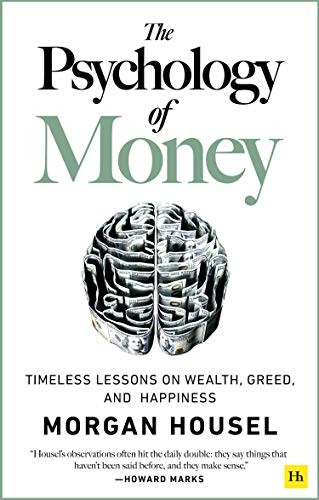
The Psychology of Money
Morgan HouselShort stories about why smart people make odd money decisions. A good companion to the whole series.
See on Amazon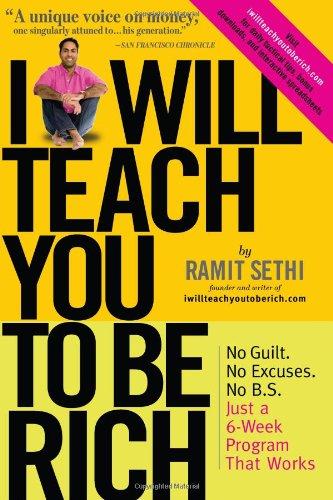
I Will Teach You to Be Rich
Ramit SethiA practical take on automating the boring parts of money and on where the marketing ends and the math begins.
See on Amazon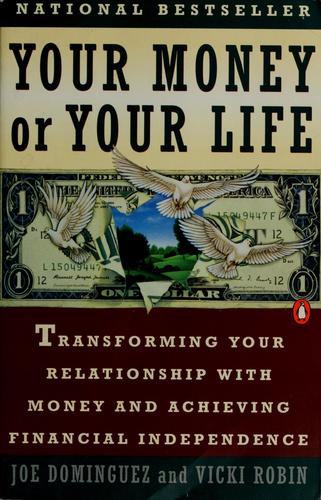
Your Money or Your Life
Vicki Robin & Joe DominguezA classic on counting what things really cost, in hours of your life. Same instinct as the math in this episode.
See on Amazon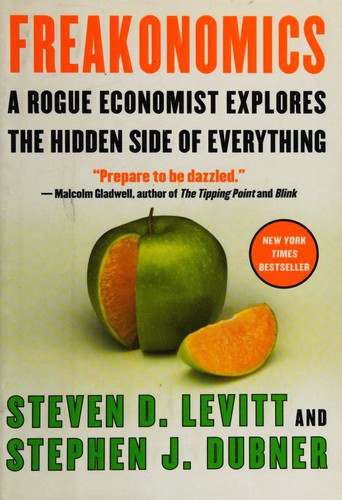
Freakonomics
Steven Levitt & Stephen DubnerOne of the two books the channel is built on: ask who gets paid, and follow the money.
See on Amazon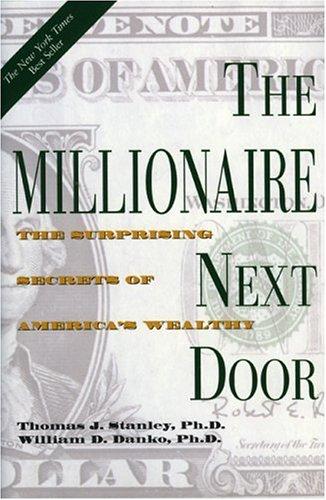
The Millionaire Next Door
Thomas Stanley & William DankoResearch on how ordinary people actually build wealth. A useful contrast with the lifestyle the points are sold with.
See on Amazon